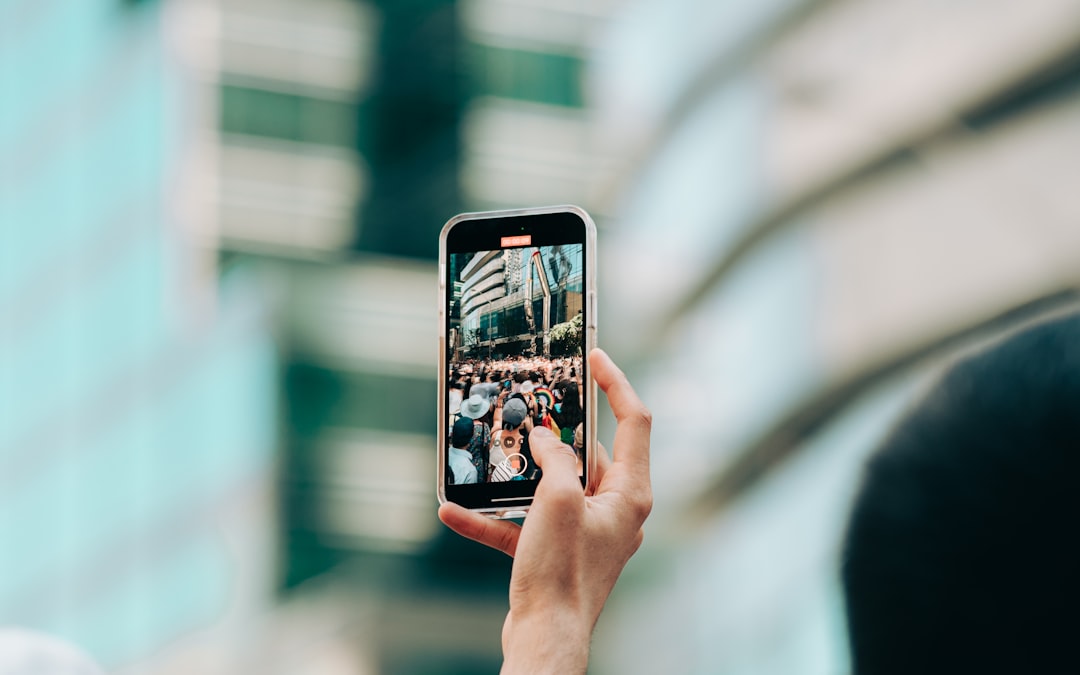
The Intersection of Social Media and Smart Cities in 2026
As we advance into 2026, the convergence of social media and smart city infrastructure is creating unprecedented opportunities for urban innovation and citizen engagement. This intersection is transforming how cities operate, how residents interact with their environment, and how communities build stronger connections. From real-time traffic updates shared through social platforms to citizen-driven environmental monitoring, the fusion of digital communication and urban technology is reshaping the very fabric of modern city living.
The Evolution of Smart Cities Through Social Media Integration
Smart cities have evolved far beyond basic sensor networks and automated systems. In 2026, social media platforms serve as the nervous system connecting citizens, government services, and urban infrastructure in real-time. This integration creates a dynamic feedback loop where city data informs social conversations, and social insights drive urban planning decisions.
Cities worldwide are leveraging platforms like Twitter, Facebook, and Instagram to create transparent, responsive governance models. These platforms enable immediate communication during emergencies, facilitate community discussions about urban development, and provide channels for citizens to report issues and suggest improvements.
Real-Time Urban Data Sharing
The integration of IoT sensors with social media APIs allows cities to share real-time data directly with residents through their preferred communication channels. Traffic conditions, air quality readings, public transportation schedules, and emergency alerts are now seamlessly integrated into social media feeds, making critical information more accessible than ever before.
Tools like Buffer and Hootsuite have evolved to support municipal social media management, enabling cities to maintain consistent communication across multiple platforms while managing citizen inquiries and feedback efficiently.
Citizen Engagement and Participatory Governance
Social media has become the primary vehicle for participatory governance in smart cities. Citizens are no longer passive recipients of city services; they’re active participants in urban planning and decision-making processes. This shift has created more democratic, responsive urban environments where community voices directly influence policy and infrastructure development.
Digital Town Halls and Virtual Community Meetings
Platforms like Zoom and Microsoft Teams have integrated with social media to create hybrid engagement experiences. Citizens can participate in city council meetings through live streams on Facebook, ask questions via Twitter, and vote on municipal issues through Instagram polls and stories.
These digital engagement tools have increased participation rates significantly, particularly among younger demographics who were previously underrepresented in traditional civic processes. The convenience of engaging through familiar social platforms has lowered barriers to participation and created more inclusive governance structures.
Crowdsourced Urban Intelligence
Social media enables cities to tap into collective intelligence for urban planning and problem-solving. Citizens use platforms to report infrastructure issues, suggest improvements, and share local knowledge that formal data collection might miss. This crowdsourced approach provides cities with richer, more nuanced understanding of community needs and challenges.
- Real-time reporting of potholes, broken streetlights, and maintenance issues
- Community-driven safety monitoring and neighborhood watch coordination
- Collaborative mapping of accessibility features and barriers
- Citizen-led environmental monitoring and sustainability initiatives
Smart Infrastructure and Social Connectivity
The physical infrastructure of smart cities is increasingly designed with social connectivity in mind. Public spaces, transportation systems, and municipal buildings now incorporate features that enhance social media engagement and community interaction.
Connected Public Spaces
Parks, plazas, and community centers are equipped with high-speed Wi-Fi networks powered by solutions like Cisco infrastructure, enabling seamless social media sharing and virtual community building. Interactive displays show real-time social media feeds about local events, creating physical-digital hybrid experiences that strengthen community bonds.
Smart benches with built-in charging stations and Wi-Fi hotspots encourage residents to spend more time in public spaces while staying connected to their digital communities. These installations often feature QR codes linking to local social media groups and community resources.
Transportation and Social Integration
Public transportation systems have evolved to support social connectivity through dedicated Wi-Fi networks and real-time information sharing. Passengers can access social media updates about their routes, connect with other commuters, and participate in city-wide conversations during their journeys.
Apps like Uber and Lyft have integrated social features that allow users to share rides with friends through social media platforms, coordinate group transportation, and discover social events along their routes.
Data Privacy and Digital Rights in Smart Cities
The integration of social media and smart city infrastructure raises important questions about data privacy, digital rights, and citizen autonomy. Cities must balance the benefits of social connectivity with the need to protect resident privacy and prevent surveillance overreach.
Privacy-First Design Principles
Leading smart cities are adopting privacy-first design principles that prioritize citizen control over personal data. This includes implementing opt-in rather than opt-out systems for social media integration, providing transparent data usage policies, and ensuring citizens can participate in city services without mandatory social media engagement.
VPN services like NordVPN and ExpressVPN have become essential tools for citizens who want to engage with smart city services while maintaining their privacy and security online.
Digital Inclusion and Accessibility
Smart cities must ensure that social media integration doesn’t create digital divides or exclude residents who choose not to use social platforms. This requires maintaining alternative channels for city services and ensuring that essential information remains accessible through multiple communication methods.
Accessibility tools and features are being integrated into social media platforms to ensure that residents with disabilities can fully participate in digital city life. This includes screen reader compatibility, voice-to-text features, and visual accessibility enhancements.
Economic Opportunities and Business Innovation
The intersection of social media and smart cities creates new economic opportunities for businesses, entrepreneurs, and local communities. From location-based social commerce to community-driven service platforms, this convergence is generating innovative business models and revenue streams.
Local Business and Social Commerce
Social media platforms have evolved to support hyperlocal commerce, enabling small businesses to reach customers within specific neighborhoods or districts. Features like Instagram’s location-based shopping and Facebook’s local marketplace have become integral to urban economic ecosystems.
E-commerce platforms like Shopify and Amazon have developed tools that integrate with city data to provide location-aware shopping experiences, connecting consumers with nearby businesses and services through social media channels.
Collaborative Economy and Sharing Services
Social media facilitates the growth of collaborative economy services within smart cities. Residents can easily share resources, coordinate carpools, organize community gardens, and participate in skill-sharing networks through integrated social platforms.
- Neighborhood tool libraries and equipment sharing
- Community-organized ride sharing and transportation coordination
- Local skill exchanges and educational workshops
- Collaborative consumption of city resources and amenities
Environmental Sustainability and Social Awareness
Social media plays a crucial role in promoting environmental sustainability within smart cities by raising awareness, coordinating collective action, and gamifying eco-friendly behaviors. This social dimension of environmental action creates more engaging and effective sustainability initiatives.
Community-Driven Environmental Monitoring
Citizens use social media to share environmental data, report pollution incidents, and coordinate cleanup efforts. Apps that integrate with social platforms allow residents to contribute to city-wide environmental monitoring efforts while building community around sustainability goals.
Devices like air quality monitors can now share data directly to social media platforms, creating crowd-sourced environmental awareness campaigns that drive both individual behavior change and policy responses.
Gamification of Sustainable Behaviors
Cities are using social media to gamify sustainable behaviors, creating competitions and challenges that encourage eco-friendly actions. Leaderboards, badges, and social sharing features make environmental responsibility more engaging and socially rewarding.
These initiatives often integrate with fitness tracking devices like Fitbit and Apple Watch to track walking, cycling, and public transportation usage, rewarding citizens for choosing sustainable transportation options.
Challenges and Future Considerations
While the integration of social media and smart cities offers tremendous benefits, it also presents significant challenges that cities must address to ensure equitable, secure, and sustainable urban development.
Digital Divide and Equity Concerns
Not all residents have equal access to social media platforms or the digital literacy skills needed to participate fully in social media-integrated city services. Cities must work to bridge these gaps through digital inclusion programs, public access points, and alternative service delivery methods.
Affordable internet access remains a critical issue, with services like Xfinity Mobile and other providers working to expand coverage and reduce costs for low-income residents.
Information Quality and Misinformation
The rapid spread of information through social media can include misinformation that affects city operations and citizen safety. Cities must develop strategies for verifying information, correcting false claims, and maintaining accurate communication channels during emergencies.
Content management systems and social media monitoring tools help cities track and respond to misinformation while maintaining transparent communication with residents.
Scalability and Technical Infrastructure
As cities grow and social media integration becomes more complex, maintaining reliable technical infrastructure becomes increasingly challenging. Cities must invest in robust hosting solutions like Hostinger or Amazon Web Services to ensure their social media-integrated services can scale with growing populations and usage.
Looking Ahead: The Future of Social Smart Cities
As we progress through 2026 and beyond, the intersection of social media and smart cities will continue evolving. Emerging technologies like augmented reality, artificial intelligence, and blockchain are creating new possibilities for citizen engagement and urban innovation.
Cities that successfully navigate this intersection will create more responsive, inclusive, and sustainable urban environments. The key lies in balancing technological innovation with human-centered design, ensuring that social media integration serves to strengthen rather than fragment community connections.
The most successful smart cities of the future will be those that use social media not just as a communication tool, but as a platform for building stronger, more connected communities that can collectively address urban challenges and opportunities.
À Retenir
- Social media integration transforms smart cities from technology-focused to community-centered environments, enabling real-time citizen engagement and participatory governance
- The convergence creates new economic opportunities through hyperlocal commerce, collaborative sharing services, and community-driven business models
- Environmental sustainability benefits from social awareness campaigns and community-driven monitoring, making eco-friendly behaviors more engaging and socially rewarding
- Privacy protection and digital inclusion remain critical challenges that cities must address to ensure equitable access to smart city benefits
- Success requires balancing technological innovation with human-centered design to strengthen rather than fragment community connections