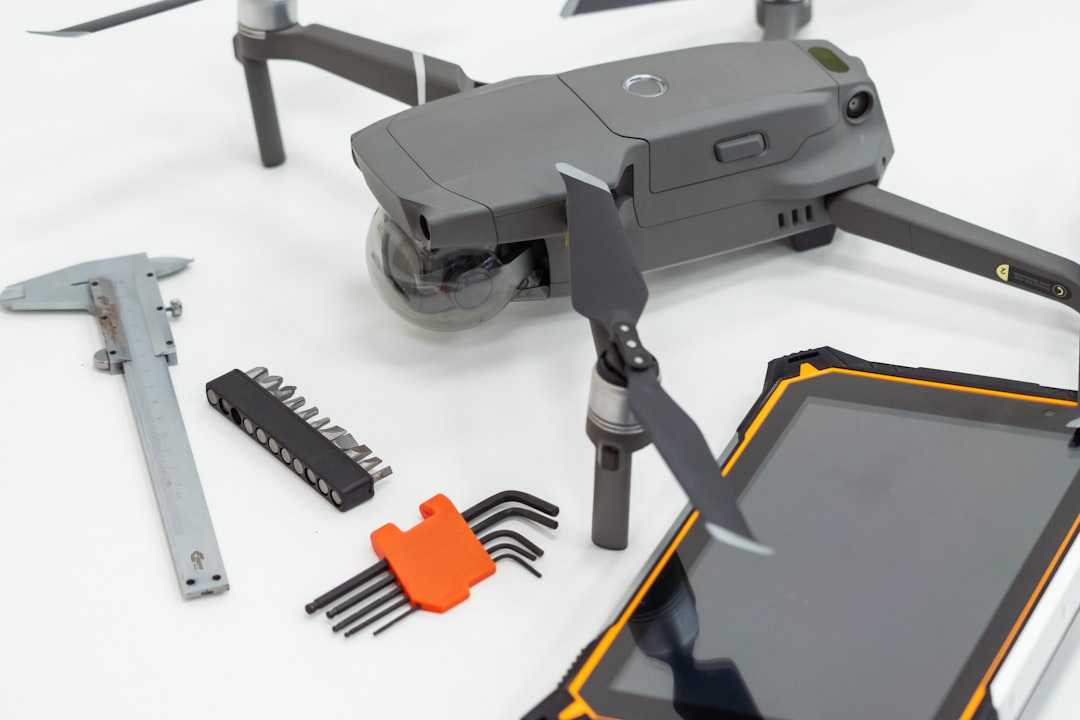
The Evolution of Influencer Marketing with Robotic Technology in 2026
The convergence of robotic technology and influencer marketing is creating unprecedented opportunities for brands and content creators alike. As we navigate through 2026, the integration of AI-powered robots, virtual influencers, and automated marketing systems is reshaping how we approach digital influence, audience engagement, and brand storytelling.
The Current Landscape of Robotic Influencer Marketing
Robotic technology has evolved far beyond simple automation tools. Today’s influencer marketing ecosystem incorporates sophisticated AI systems that can create content, analyze audience behavior, and even serve as virtual brand ambassadors. This transformation represents a fundamental shift in how brands connect with their target audiences.
Virtual Influencers Leading the Charge
Virtual influencers powered by advanced AI algorithms have become major players in the marketing space. These digital personalities can maintain consistent brand messaging, operate across multiple time zones simultaneously, and adapt their communication style based on real-time audience feedback. Unlike human influencers, they never experience fatigue, controversy, or scheduling conflicts.
Major brands are investing heavily in virtual influencer technology, with some digital personalities amassing millions of followers and generating substantial engagement rates. These AI-driven influencers can be programmed to align perfectly with brand values and maintain consistent messaging across all platforms.
Automated Content Creation Systems
Robotic technology now enables the automated generation of high-quality content tailored to specific audience segments. Advanced AI systems can analyze trending topics, audience preferences, and engagement patterns to create personalized content at scale. Tools like Buffer and similar platforms are integrating AI capabilities to streamline content scheduling and optimization.
These systems can produce various content formats including:
- Personalized video messages
- Dynamic social media posts
- Interactive stories and polls
- Customized product recommendations
- Real-time response content
Technological Innovations Driving Change
Advanced Natural Language Processing
The latest developments in natural language processing enable robotic systems to engage in sophisticated conversations with audiences. These AI systems can understand context, emotion, and cultural nuances, making interactions feel more authentic and personalized.
Modern robotic influencer systems can:
- Respond to comments in real-time with contextually appropriate replies
- Adapt communication style based on audience demographics
- Generate multilingual content for global campaigns
- Maintain consistent brand voice across all interactions
Computer Vision and Visual Recognition
Robotic systems equipped with advanced computer vision can analyze visual content, identify trends, and create compelling visual narratives. This technology enables automated generation of product placements, style recommendations, and visually optimized content that resonates with specific audience segments.
These capabilities extend to real-time analysis of user-generated content, allowing brands to identify and leverage authentic moments for their marketing campaigns. The technology can recognize brand logos, products, and even emotional expressions in user-submitted photos and videos.
Implementation Strategies for Brands
Hybrid Human-Robot Influencer Teams
The most successful brands are adopting hybrid approaches that combine human creativity with robotic efficiency. Human influencers provide authentic storytelling and emotional connection, while robotic systems handle data analysis, content optimization, and routine engagement tasks.
This collaboration model allows brands to:
- Scale personalized interactions without losing authenticity
- Maintain 24/7 audience engagement
- Optimize content performance through real-time data analysis
- Reduce operational costs while improving campaign effectiveness
Data-Driven Audience Targeting
Robotic systems excel at processing vast amounts of audience data to identify optimal targeting strategies. These systems can analyze behavioral patterns, engagement histories, and preference indicators to create highly specific audience segments for influencer campaigns.
Advanced analytics platforms can track micro-interactions and predict audience responses with remarkable accuracy. This capability enables brands to optimize their influencer partnerships and content strategies for maximum impact.
Industry Applications and Use Cases
E-commerce and Retail
Retail brands are leveraging robotic influencer technology to create personalized shopping experiences. Virtual shopping assistants can provide product recommendations, demonstrate features, and guide customers through purchase decisions. Platforms like Amazon are integrating AI-powered recommendation systems that function as virtual influencers.
These systems can:
- Provide instant product comparisons
- Offer personalized style advice
- Create virtual try-on experiences
- Generate user-specific promotional content
Entertainment and Media
The entertainment industry is embracing robotic technology to create immersive fan experiences. Virtual performers can interact with audiences during live streams, respond to fan comments, and even participate in collaborative content creation.
Music and film studios are developing AI-powered characters that can promote content, engage with fans, and maintain consistent brand presence across multiple platforms simultaneously.
Healthcare and Wellness
Healthcare brands are utilizing robotic influencers to provide educational content, wellness tips, and medication reminders. These AI systems can deliver personalized health information while maintaining privacy and compliance with healthcare regulations.
Virtual health coaches can track user progress, provide motivation, and adapt their communication style based on individual needs and preferences.
Challenges and Considerations
Authenticity and Trust
One of the primary challenges facing robotic influencer marketing is maintaining authenticity and building genuine trust with audiences. Consumers are becoming increasingly sophisticated at identifying artificial content, making transparency and disclosure essential.
Successful implementation requires clear communication about the role of AI in content creation and interaction. Brands must balance efficiency gains with the need for authentic human connection.
Regulatory and Ethical Considerations
The integration of robotic technology in influencer marketing raises important questions about disclosure, consent, and data privacy. Regulatory bodies are developing new guidelines for AI-powered marketing communications.
Key considerations include:
- Proper disclosure of AI involvement in content creation
- Data protection and privacy compliance
- Intellectual property rights for AI-generated content
- Ethical guidelines for virtual influencer behavior
Future Predictions and Emerging Trends
Advanced Personalization Capabilities
Looking ahead, robotic influencer systems will become even more sophisticated in their ability to create personalized experiences. Future developments will likely include real-time emotional analysis, predictive behavior modeling, and adaptive personality traits.
These advances will enable virtual influencers to form deeper connections with individual audience members while maintaining scalability across large user bases.
Integration with Emerging Technologies
The convergence of robotic influencer technology with augmented reality, virtual reality, and blockchain systems will create new possibilities for immersive brand experiences. Virtual influencers will be able to exist in mixed-reality environments, creating unprecedented opportunities for audience engagement.
Blockchain technology may enable new models of influencer verification, content authenticity, and decentralized influence networks.
Best Practices for Implementation
Strategic Planning and Goal Setting
Successful implementation of robotic influencer marketing requires careful strategic planning. Brands should clearly define their objectives, target audiences, and success metrics before investing in robotic technology.
Key planning considerations include:
- Alignment with overall brand strategy
- Budget allocation for technology and maintenance
- Timeline for implementation and optimization
- Risk assessment and mitigation strategies
Technology Selection and Integration
Choosing the right robotic influencer technology requires careful evaluation of available platforms and tools. Brands should consider factors such as scalability, customization options, integration capabilities, and ongoing support requirements.
Popular platforms and tools for robotic influencer marketing include specialized AI content creation software, social media management systems with AI capabilities, and custom-developed virtual influencer platforms.
Performance Monitoring and Optimization
Continuous monitoring and optimization are essential for successful robotic influencer campaigns. Brands should establish clear metrics for measuring performance and implement regular review processes to identify areas for improvement.
Key performance indicators may include:
- Engagement rates and audience growth
- Conversion rates and sales attribution
- Brand sentiment and awareness metrics
- Cost efficiency and ROI measurements
À retenir
- Robotic technology is revolutionizing influencer marketing through AI-powered virtual influencers, automated content creation, and sophisticated audience targeting capabilities that operate at unprecedented scale and efficiency.
- The most successful implementations combine human creativity with robotic efficiency, creating hybrid systems that maintain authenticity while leveraging the scalability and consistency of AI technology.
- Brands must navigate important challenges including authenticity concerns, regulatory compliance, and ethical considerations while ensuring proper disclosure of AI involvement in their marketing communications.
- Future developments will focus on advanced personalization, integration with emerging technologies like AR/VR, and more sophisticated emotional intelligence capabilities in robotic influencer systems.
- Strategic planning, careful technology selection, and continuous performance optimization are essential for successfully implementing robotic influencer marketing campaigns that deliver measurable results and maintain brand integrity.