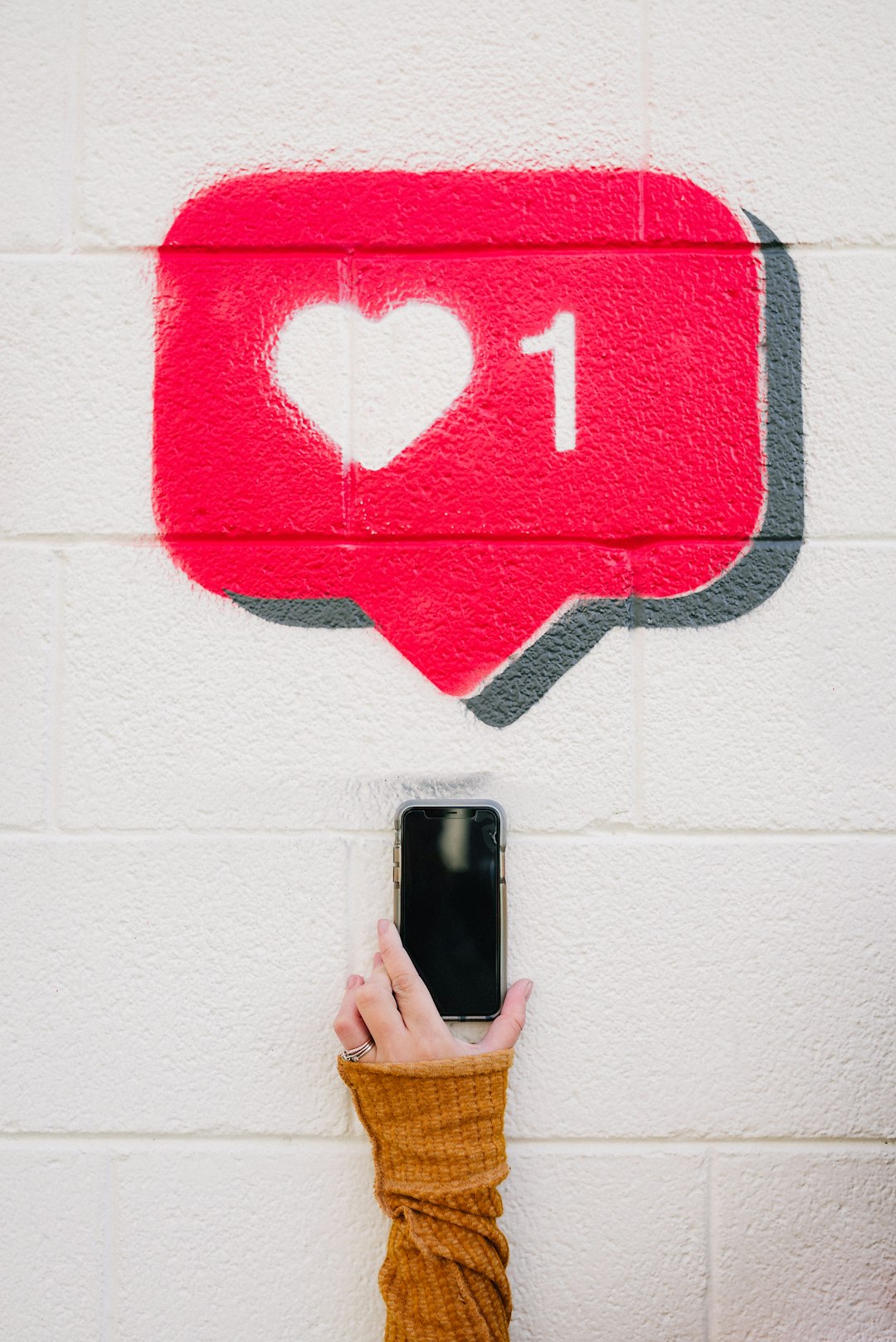
The Integration of IoT in Social Media: A 2026 Perspective
The convergence of Internet of Things (IoT) technology with social media platforms is reshaping how brands connect with consumers, creating unprecedented opportunities for personalized marketing and real-time engagement. As we navigate through 2026, this integration is no longer a futuristic concept but a present reality that’s transforming digital marketing strategies across industries.
Understanding IoT’s Role in Modern Social Media
The Internet of Things encompasses billions of connected devices that collect, process, and share data continuously. When integrated with social media platforms, these devices create a rich ecosystem of real-time consumer insights and automated interactions that were previously impossible to achieve.
The Current Landscape of IoT-Social Media Integration
Smart devices now seamlessly connect to social platforms, enabling users to share experiences directly from their smart home devices, wearables, and connected appliances. This integration has created new touchpoints for brands to engage with consumers at moments that matter most.
Major social media platforms have embraced IoT integration through various initiatives:
- Facebook’s integration with smart displays and voice assistants
- Instagram’s connectivity with fitness trackers and health devices
- Twitter’s real-time updates from smart city infrastructure
- LinkedIn’s professional networking through connected workplace technologies
Key Benefits for Brands and Marketers
Real-Time Consumer Insights
IoT devices provide brands with unprecedented access to real-time consumer behavior data. Smart thermostats, for instance, can indicate when families are home, while fitness trackers reveal activity patterns and health preferences. This granular data allows marketers to create highly targeted campaigns that resonate with specific lifestyle moments.
Brands using Buffer or similar social media management tools can now integrate IoT data streams to automatically adjust posting schedules and content based on when their audience is most active, as determined by their connected devices.
Enhanced Personalization Capabilities
The combination of IoT data and social media profiles enables hyper-personalized marketing experiences. Consider how a smart refrigerator can detect low milk levels and automatically trigger targeted ads for grocery delivery services on the user’s social media feeds. This level of personalization was unimaginable just a few years ago.
Marketing automation platforms like Mailchimp are now incorporating IoT triggers to create sophisticated customer journey maps that respond to real-world device interactions.
Automated Social Commerce
IoT-enabled social commerce represents a significant opportunity for brands. Smart devices can now initiate purchase processes directly through social media platforms. For example, a connected coffee machine running low on pods can automatically post a replenishment reminder on the user’s social feed, complete with one-click purchasing options.
Practical Implementation Strategies
Building IoT-Social Media Integration Infrastructure
Successful IoT-social media integration requires robust technical infrastructure. Brands need to invest in platforms that can handle large volumes of real-time data while maintaining security and privacy standards. Cloud services like Amazon Web Services provide the scalable infrastructure necessary for these implementations.
Key infrastructure components include:
- Data collection and processing systems
- API integration frameworks
- Real-time analytics platforms
- Security and privacy protection measures
- Content management systems capable of dynamic updates
Creating IoT-Triggered Content Strategies
Brands must develop content strategies that respond intelligently to IoT triggers. This involves creating content libraries that can be automatically deployed based on specific device interactions or environmental conditions.
For example, a fitness apparel brand might create different content sets that are triggered by various fitness tracker data points:
- Motivational content for users who haven’t exercised in several days
- Achievement celebration posts for users reaching fitness milestones
- Product recommendations based on workout intensity and frequency
- Weather-appropriate gear suggestions from smart weather stations
Leveraging Smart Home Ecosystems
Smart home devices offer unique opportunities for social media integration. Brands can partner with manufacturers of devices like Amazon Echo or Google Nest to create voice-activated social sharing experiences or automated posting based on home automation routines.
Smart home integration can enable:
- Automatic sharing of energy savings achievements
- Social updates about home security events
- Entertainment system integration for content sharing
- Kitchen appliance connectivity for recipe and cooking content
Industry-Specific Applications
Healthcare and Wellness
The healthcare industry has embraced IoT-social media integration to promote wellness and patient engagement. Wearable devices like Fitbit or Apple Watch automatically share fitness achievements on social platforms, creating organic marketing opportunities for health and wellness brands.
Healthcare marketers can leverage this integration to:
- Provide personalized health tips based on activity data
- Create community challenges and competitions
- Offer targeted wellness product recommendations
- Share educational content at optimal health moments
Retail and E-commerce
Retail brands are using IoT-social media integration to create seamless shopping experiences. Smart mirrors in fitting rooms can automatically post outfit photos to social media (with user permission), while connected shopping carts can share purchase decisions and product recommendations.
E-commerce platforms are integrating with social media through IoT to enable:
- Inventory-based social advertising
- Location-triggered promotional content
- Automated customer service through connected devices
- Social proof generation from smart product usage
Automotive Industry
Connected vehicles represent a massive opportunity for IoT-social media integration. Modern cars equipped with internet connectivity can automatically share driving achievements, maintenance reminders, or location-based recommendations on social platforms.
Automotive brands are leveraging this integration for:
- Real-time traffic and route sharing
- Fuel efficiency competitions and achievements
- Maintenance scheduling and service promotions
- Location-based service recommendations
Privacy and Security Considerations
Data Protection Frameworks
The integration of IoT and social media raises significant privacy concerns that brands must address proactively. With regulations like GDPR and CCPA in effect, companies must implement robust data protection frameworks that ensure user consent and data security.
Essential privacy measures include:
- Explicit user consent for data collection and sharing
- Transparent data usage policies
- Secure data transmission and storage protocols
- Regular security audits and updates
- User control over data sharing preferences
Building Consumer Trust
Trust is paramount when dealing with IoT-social media integration. Brands must be transparent about data collection practices and provide clear value in exchange for user data. This includes offering meaningful personalization, exclusive content, or tangible benefits that justify the data sharing relationship.
Security solutions like NordVPN are becoming increasingly important as consumers seek to protect their data across connected devices and social platforms.
Emerging Technologies and Future Trends
Artificial Intelligence Integration
AI is becoming the bridge that makes IoT-social media integration truly powerful. Machine learning algorithms can analyze vast amounts of IoT data to predict consumer behavior and automatically optimize social media campaigns in real-time.
AI-powered integration enables:
- Predictive content delivery based on device usage patterns
- Automated customer service responses triggered by IoT events
- Dynamic pricing adjustments based on demand signals
- Sentiment analysis from IoT-generated social content
Edge Computing and Real-Time Processing
Edge computing is enabling faster, more responsive IoT-social media integrations by processing data closer to its source. This reduces latency and enables real-time social media responses to IoT triggers, creating more immediate and relevant consumer experiences.
5G Network Implications
The widespread adoption of 5G networks is accelerating IoT-social media integration by providing the bandwidth and low latency necessary for real-time, high-quality interactions. This enables new possibilities like live streaming from IoT devices directly to social platforms or instant social sharing of augmented reality experiences.
Measuring Success and ROI
Key Performance Indicators
Measuring the success of IoT-social media integration requires new metrics that go beyond traditional social media analytics. Brands need to track the entire customer journey from IoT trigger to social engagement to final conversion.
Important KPIs include:
- IoT trigger-to-engagement conversion rates
- Device-specific social media performance
- Real-time campaign optimization effectiveness
- Customer lifetime value from IoT-integrated campaigns
- Cross-device attribution and journey mapping
Analytics Tools and Platforms
Brands need sophisticated analytics platforms that can handle both IoT data and social media metrics. Tools like Google Analytics are evolving to include IoT data integration, while specialized platforms are emerging to serve this specific need.
Social media management platforms like Hootsuite are also incorporating IoT data feeds to provide more comprehensive campaign insights and optimization recommendations.
Implementation Challenges and Solutions
Technical Complexity
The technical complexity of IoT-social media integration can be overwhelming for many brands. The solution lies in partnering with experienced technology providers and adopting phased implementation approaches that allow for learning and optimization along the way.
Data Integration Challenges
Integrating data from multiple IoT devices and social platforms requires robust data management systems. Cloud-based solutions and API-first approaches can help overcome these challenges by providing standardized integration methods.
Cost Considerations
The initial investment in IoT-social media integration can be significant. However, brands can start with pilot programs focusing on high-impact use cases before scaling to full implementation. This approach allows for ROI validation and reduces overall risk.
Best Practices for Success
Start with Clear Objectives
Successful IoT-social media integration begins with clear business objectives. Brands should identify specific problems they want to solve or opportunities they want to capture before implementing technology solutions.
Focus on User Experience
The integration should enhance, not complicate, the user experience. Every IoT-triggered social media interaction should provide clear value to the user, whether through personalization, convenience, or entertainment.
Ensure Scalability
IoT-social media integration systems should be designed for scalability from the beginning. As device adoption grows and data volumes increase, the infrastructure must be able to handle the expanded load without performance degradation.
Maintain Data Quality
The effectiveness of IoT-social media integration depends heavily on data quality. Brands must implement data validation, cleaning, and enrichment processes to ensure that IoT data leads to accurate and relevant social media interactions.
Case Studies and Success Stories
Smart Appliance Social Integration
A leading appliance manufacturer integrated their smart washing machines with social media platforms to automatically share energy-saving achievements and maintenance reminders. This integration resulted in a 35% increase in customer engagement and a 20% improvement in customer satisfaction scores.
Fitness Brand IoT Campaign
A fitness apparel brand partnered with wearable device manufacturers to create personalized workout content based on user activity data. The campaign generated 50% higher engagement rates compared to traditional social media campaigns and drove significant increases in product sales.
Smart City Social Engagement
A city government used IoT sensors to monitor air quality and automatically post updates to social media platforms. This real-time environmental data sharing increased citizen engagement with city services by 40% and improved public awareness of environmental issues.
Future Outlook and Predictions
As we look toward the remainder of 2026 and beyond, IoT-social media integration will continue to evolve rapidly. Emerging technologies like augmented reality, virtual reality, and advanced AI will create new possibilities for immersive, personalized social experiences triggered by IoT devices.
The integration will become more seamless and invisible to users, with IoT devices automatically optimizing social media experiences without requiring explicit user input. This evolution will require brands to become even more sophisticated in their approach to privacy, personalization, and user experience design.
Industries that haven’t yet embraced IoT-social media integration will face increasing pressure to adopt these technologies to remain competitive. The brands that succeed will be those that can balance technological innovation with genuine user value and trust.
À Retenir
- Real-time personalization is key: IoT-social media integration enables unprecedented levels of personalization by leveraging real-time device data to create relevant, timely content that resonates with users’ current situations and needs.
- Privacy and trust are paramount: Successful implementation requires transparent data practices, explicit user consent, and robust security measures to build and maintain consumer trust in an increasingly connected world.
- Start small and scale strategically: Brands should begin with pilot programs focusing on high-impact use cases before expanding to full-scale implementation, allowing for learning, optimization, and ROI validation.
- Technical infrastructure is crucial: Robust, scalable infrastructure capable of handling real-time data processing and integration across multiple platforms is essential for successful IoT-social media campaigns.
- User experience must remain central: Every IoT-triggered social media interaction should enhance rather than complicate the user experience, providing clear value through convenience, personalization, or meaningful engagement.