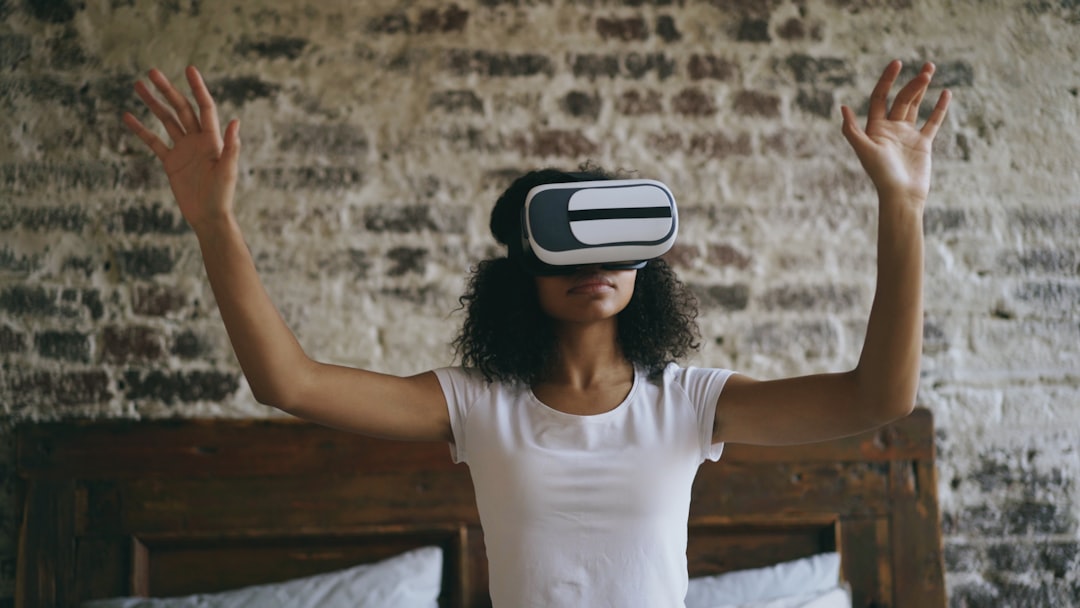
Exploring the Impact of the Metaverse on Influencer Marketing in 2026
The metaverse is no longer a distant concept—it’s rapidly becoming the next frontier for digital marketing. As we approach 2026, brands and influencers are discovering unprecedented opportunities to connect with audiences in immersive virtual environments. This evolution promises to revolutionize how we think about influence, engagement, and brand partnerships in ways that traditional social media never could.
Understanding the Metaverse Marketing Landscape
The metaverse represents a collective virtual shared space where users interact through avatars in computer-generated environments. Unlike traditional social media platforms, the metaverse offers three-dimensional, immersive experiences that blur the lines between digital and physical reality.
Key Metaverse Platforms for Influencer Marketing
Several platforms are emerging as leaders in the metaverse space:
- Meta’s Horizon Worlds: Offering social VR experiences with customizable environments
- Roblox: Gaming-focused platform with massive user engagement
- Fortnite Creative: Beyond gaming, hosting virtual concerts and brand activations
- VRChat: User-generated virtual worlds with social interaction focus
- Decentraland: Blockchain-based virtual world with NFT integration
These platforms require specialized content creation tools. Influencers are increasingly using software like Blender for 3D modeling and Unity for interactive experience development.
The Evolution of Virtual Influence
Avatar-Based Brand Representation
In the metaverse, influencers aren’t limited by physical appearance or location. They can create multiple avatars, each tailored to different brand partnerships or audience segments. This flexibility allows for more creative brand storytelling and authentic connections with diverse communities.
Virtual influencers—AI-generated personalities—are also gaining traction. These digital beings can be programmed to embody specific brand values while maintaining consistent messaging across all interactions.
Immersive Content Creation
Traditional content formats are being reimagined in the metaverse:
- Virtual product demonstrations: Influencers can showcase products in impossible real-world scenarios
- Interactive brand experiences: Audiences participate rather than passively consume content
- 3D storytelling: Narratives unfold in immersive environments that audiences can explore
- Virtual events and meetups: Real-time interaction with followers in customized spaces
New Revenue Streams and Monetization Models
Virtual Goods and NFTs
The metaverse economy is built on virtual goods—digital items that users can purchase, own, and trade. Influencers are monetizing through:
- Branded virtual clothing: Exclusive avatar outfits and accessories
- Virtual real estate partnerships: Sponsored virtual spaces and experiences
- NFT collaborations: Limited edition digital collectibles
- Virtual event hosting: Paid access to exclusive metaverse gatherings
Platforms like OpenSea facilitate NFT trading, while virtual world marketplaces enable direct sales of digital goods.
Subscription-Based Virtual Experiences
Influencers are creating subscription models for premium metaverse content, offering subscribers access to:
- Private virtual spaces and communities
- Exclusive avatar customizations
- Interactive workshops and tutorials
- Behind-the-scenes virtual world building
Brand Partnership Strategies in Virtual Worlds
Immersive Brand Integration
Traditional product placement evolves into environmental storytelling in the metaverse. Brands can create entire virtual worlds where their products exist naturally within the narrative. For example, a fashion brand might partner with an influencer to design a virtual boutique where followers can try on digital clothing before purchasing physical items.
Co-Creation Opportunities
The metaverse enables unprecedented collaboration between brands, influencers, and audiences:
- User-generated virtual content: Followers contribute to brand worlds and experiences
- Collaborative design processes: Real-time product development with community input
- Virtual focus groups: Immediate feedback on products and campaigns
- Community-driven narratives: Brand stories that evolve based on user interactions
Measuring Success in Virtual Environments
New Metrics for Metaverse Marketing
Traditional engagement metrics are being redefined for three-dimensional spaces:
- Time spent in virtual spaces: Deeper engagement measurement than scroll time
- Avatar interaction frequency: How often users engage with influencer avatars
- Virtual item conversion rates: Digital to physical purchase correlation
- World exploration patterns: User behavior mapping in virtual environments
- Social sharing of virtual experiences: Cross-platform content amplification
Analytics Tools for Virtual Campaigns
Specialized analytics platforms are emerging to track metaverse marketing performance. Tools like Google Analytics are adapting to include virtual world tracking, while new platforms focus specifically on metaverse metrics.
Challenges and Considerations
Technical Barriers and Accessibility
The metaverse presents several challenges for widespread adoption:
- Hardware requirements: VR headsets like Meta Quest or high-end PCs limit accessibility
- Internet bandwidth: Immersive experiences require stable, high-speed connections
- User learning curves: Navigation and interaction in 3D spaces require adaptation
- Platform fragmentation: Multiple incompatible virtual worlds limit audience reach
Privacy and Safety Concerns
Virtual environments raise new questions about user privacy and safety:
- Avatar behavior tracking and data collection
- Virtual harassment and content moderation
- Age verification in immersive environments
- Intellectual property rights for virtual creations
Future Opportunities and Trends
Emerging Technologies
Several technological developments will shape metaverse influencer marketing:
- Augmented Reality integration: Blending virtual and physical experiences
- Haptic feedback systems: Adding touch sensation to virtual interactions
- AI-powered personalization: Customized virtual experiences for each user
- Blockchain integration: Secure ownership and transfer of virtual assets
Cross-Platform Integration
The future of metaverse marketing lies in seamless integration between virtual and traditional platforms. Influencers will likely maintain presence across multiple channels, using tools like Buffer for cross-platform content scheduling and Hootsuite for comprehensive social media management.
Preparing for the Metaverse Marketing Revolution
Skills Development for Influencers
Success in metaverse marketing requires new competencies:
- 3D content creation: Learning tools like Blender or Maya
- Virtual world building: Understanding platform-specific creation tools
- Avatar design and animation: Creating compelling virtual personas
- Interactive storytelling: Crafting narratives that engage users actively
- Virtual event management: Hosting and moderating immersive experiences
Brand Strategy Adaptation
Brands must evolve their approach to influencer partnerships:
- Investing in virtual world presence and development
- Creating digital-first product lines and experiences
- Developing metaverse-specific brand guidelines
- Training teams on virtual collaboration tools
Case Studies: Early Metaverse Marketing Success
Fashion and Beauty in Virtual Worlds
Fashion brands have been early adopters of metaverse marketing, creating virtual showrooms and exclusive digital collections. Beauty influencers are experimenting with avatar makeovers and virtual try-on experiences that translate to real-world product sales.
Gaming and Entertainment Crossovers
Gaming influencers are expanding beyond traditional gameplay content to create branded virtual worlds and host sponsored events. Music artists are partnering with gaming platforms for virtual concerts that reach millions of users simultaneously.
Building Communities in Virtual Spaces
Virtual Community Management
Managing communities in the metaverse requires different approaches than traditional social media:
- Real-time moderation of 3D spaces
- Creating inclusive virtual environments
- Facilitating meaningful avatar-to-avatar interactions
- Organizing virtual events and gatherings
Fostering Authentic Connections
The immersive nature of the metaverse enables deeper connections between influencers and their audiences. Virtual meet-and-greets, collaborative creation sessions, and shared experiences create stronger emotional bonds than traditional social media interactions.
À Retenir
- The metaverse is creating entirely new forms of influencer marketing through immersive 3D experiences, virtual goods, and avatar-based brand partnerships that go far beyond traditional social media engagement.
- New revenue streams are emerging including virtual real estate partnerships, NFT collaborations, subscription-based virtual experiences, and branded digital goods that create sustainable income opportunities.
- Success metrics are evolving from simple likes and shares to complex measurements of virtual world engagement, avatar interactions, and cross-platform conversion rates.
- Technical barriers remain significant but are rapidly decreasing as VR hardware becomes more accessible and internet infrastructure improves, making metaverse marketing increasingly viable.
- Early adopters are gaining competitive advantages by developing metaverse-specific skills, building virtual communities, and establishing presence in emerging platforms before they become saturated.