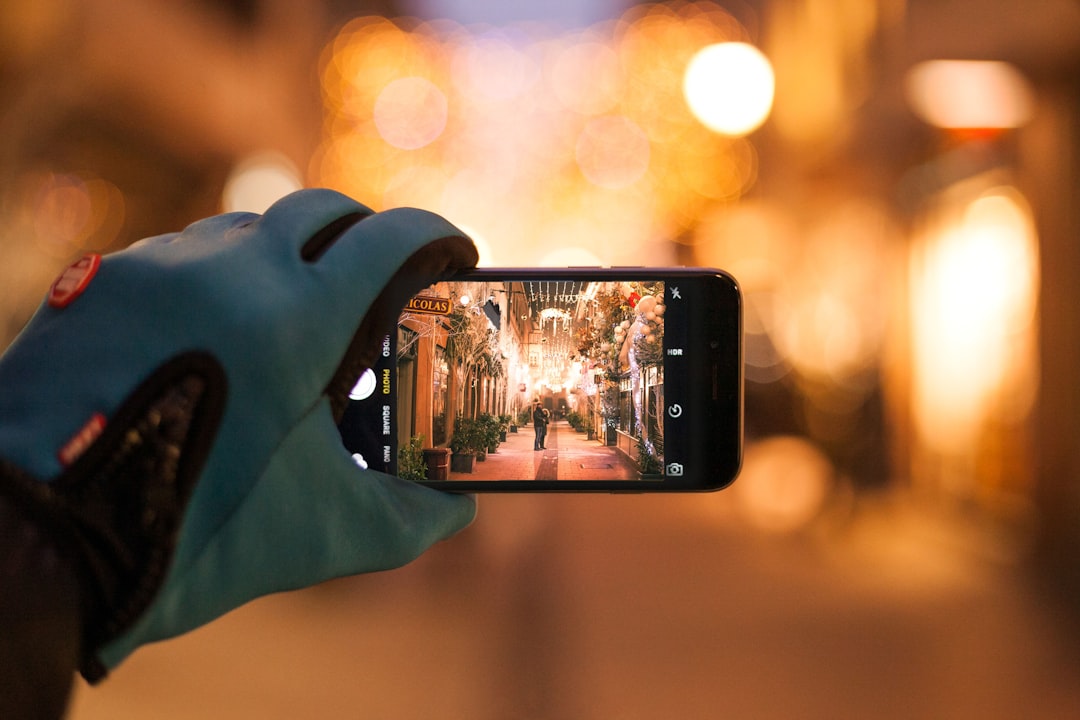
The Role of Augmented Reality in Social Media Advertising for 2026
Augmented reality is rapidly transforming how brands connect with audiences on social media platforms. As we approach 2026, AR technology is becoming more accessible, sophisticated, and integral to successful advertising campaigns. This comprehensive guide explores how AR will reshape social media advertising and provides actionable strategies to help your brand stay competitive in this evolving landscape.
Understanding Augmented Reality in Social Media Context
Augmented reality overlays digital elements onto the real world through smartphone cameras and specialized apps. In social media advertising, AR creates immersive experiences that allow users to interact with products and brands in unprecedented ways. Unlike traditional advertising that relies on passive consumption, AR advertising engages users actively, creating memorable brand interactions.
The technology has evolved significantly in recent years. What once required expensive equipment and technical expertise is now accessible through platforms like Instagram, Snapchat, and TikTok. These platforms have democratized AR creation, enabling businesses of all sizes to experiment with immersive advertising formats.
Current AR Capabilities in Social Media
Today’s AR features include:
- Virtual try-on experiences for fashion, beauty, and accessories
- 3D product visualization and placement in real environments
- Interactive brand filters and effects
- Location-based AR experiences and geo-filters
- Gamified brand interactions and challenges
Predicted AR Developments for 2026
The AR landscape is expected to undergo significant transformations by 2026. Industry analysts predict that AR advertising will become more sophisticated, personalized, and seamlessly integrated into social media experiences.
Enhanced Realism and Quality
By 2026, AR experiences will feature photorealistic rendering, improved lighting effects, and more accurate object tracking. This enhanced quality will make virtual products appear nearly indistinguishable from real ones, increasing consumer confidence in AR-based purchasing decisions.
Advanced machine learning algorithms will enable real-time adaptation to different lighting conditions, skin tones, and facial features. Beauty brands, in particular, will benefit from more accurate color matching and realistic texture simulation.
Cross-Platform Integration
AR experiences will become more consistent across different social media platforms and devices. Users will be able to start an AR interaction on one platform and continue it on another, creating seamless brand journeys that span multiple touchpoints.
This integration will be supported by standardized AR development frameworks and improved data sharing between platforms, making it easier for brands to maintain consistent AR experiences across their entire social media presence.
AI-Powered Personalization
Artificial intelligence will enable highly personalized AR experiences based on user preferences, behavior patterns, and demographic data. AR advertisements will adapt in real-time to individual users, showing different products, colors, or features based on personal preferences and past interactions.
Platform-Specific AR Opportunities
Instagram AR Evolution
Instagram continues to expand its AR capabilities through Spark AR Studio. By 2026, expect more sophisticated shopping integrations, where users can virtually try products and purchase directly within the AR experience. Instagram’s focus on visual commerce makes it an ideal platform for AR advertising investments.
The platform is likely to introduce more advanced analytics for AR campaigns, helping advertisers understand user engagement patterns, interaction duration, and conversion rates from AR experiences.
TikTok’s AR Innovation
TikTok is pioneering AR integration with short-form video content. The platform’s AR effects are becoming more sophisticated, allowing for complex interactions that blend seamlessly with video content. Brands can expect more opportunities for AR-driven viral marketing campaigns.
TikTok’s algorithm-driven content distribution makes AR effects particularly powerful for reaching new audiences organically when users share their AR experiences.
Snapchat’s AR Leadership
Snapchat remains a pioneer in social media AR, with advanced features like body tracking, hand tracking, and world lenses. By 2026, Snapchat’s AR capabilities are expected to include more precise object recognition and enhanced environmental understanding.
Industry-Specific AR Applications
Fashion and Beauty
The fashion and beauty industries are leading AR adoption in social media advertising. Virtual try-on experiences have become standard for major brands like Sephora and L’Oréal, allowing customers to test products before purchasing.
By 2026, expect even more sophisticated virtual fitting rooms that can accurately simulate fabric texture, fit, and movement. AR will enable customers to see how clothing looks in different lighting conditions and settings, reducing return rates and increasing customer satisfaction.
Home and Furniture
Home goods retailers are using AR to help customers visualize products in their actual living spaces. Companies like IKEA have pioneered this approach, and by 2026, AR room design will become more sophisticated and widely adopted.
Future AR applications will include accurate lighting simulation, material texture representation, and the ability to visualize multiple products together in a cohesive room design.
Automotive Industry
Car manufacturers are exploring AR for virtual showrooms and customization experiences. By 2026, customers will be able to explore vehicle interiors, customize colors and features, and even take virtual test drives through AR experiences on social media platforms.
Creating Effective AR Advertising Campaigns
Planning Your AR Strategy
Successful AR advertising requires careful planning and clear objectives. Start by identifying specific goals for your AR campaign:
- Brand awareness and engagement
- Product trial and visualization
- Direct sales and conversions
- User-generated content creation
- Data collection and customer insights
Consider your target audience’s comfort level with AR technology and choose platforms where they are most active. Younger demographics typically show higher engagement with AR features, while older audiences may prefer simpler, more intuitive AR experiences.
Design Principles for AR Advertising
Effective AR advertisements follow specific design principles:
Simplicity and Intuition: AR experiences should be immediately understandable without extensive instructions. Users should be able to engage with your AR content within seconds of activation.
Value-Driven Interaction: Every AR element should provide clear value to the user, whether through entertainment, information, or practical utility. Avoid adding AR features just for novelty.
Performance Optimization: AR experiences must load quickly and run smoothly on various devices. Poor performance can quickly frustrate users and damage brand perception.
Technical Considerations
When developing AR advertising content, consider these technical aspects:
- Device compatibility across different smartphone models
- File size optimization for fast loading
- Lighting condition adaptability
- User interface clarity and accessibility
- Integration with existing marketing technology stack
Measuring AR Advertising Success
Key Performance Indicators
AR advertising requires specific metrics to measure success effectively:
Engagement Metrics:
- Session duration and interaction time
- Feature usage and exploration depth
- Share and save rates
- Return usage frequency
Conversion Metrics:
- Click-through rates to product pages
- Purchase conversions from AR experiences
- Lead generation and email signups
- App downloads or website visits
Analytics Tools and Platforms
Several tools can help track AR advertising performance:
Google Analytics can track traffic and conversions from AR campaigns when properly configured with UTM parameters and custom events.
Platform-specific analytics from Instagram, Snapchat, and TikTok provide detailed insights into AR filter performance and user engagement patterns.
Third-party AR analytics platforms offer more detailed insights into user behavior within AR experiences, including heat mapping and interaction analysis.
Overcoming AR Advertising Challenges
Technical Barriers
AR advertising faces several technical challenges that brands must address:
Device Fragmentation: Different smartphones have varying AR capabilities. Ensure your AR experiences work across a wide range of devices, or create multiple versions optimized for different performance levels.
Network Dependency: AR experiences often require stable internet connections. Design your campaigns to handle varying network conditions gracefully, with appropriate loading states and offline fallbacks.
User Adoption Challenges
Some users remain hesitant to engage with AR features. Address this through:
- Clear instructions and onboarding processes
- Demonstrating immediate value and benefit
- Providing alternative non-AR pathways
- Ensuring privacy and data security transparency
Cost and Resource Management
AR development can be resource-intensive. Manage costs by:
- Starting with simple AR experiences and iterating
- Using platform-provided AR creation tools like Spark AR Studio
- Partnering with experienced AR development agencies
- Repurposing AR content across multiple platforms
Future-Proofing Your AR Strategy
Staying Updated with Technology Trends
AR technology evolves rapidly. Stay current by:
- Following platform updates and new feature announcements
- Participating in AR developer communities and forums
- Testing new AR capabilities as they become available
- Monitoring competitor AR implementations and innovations
Building AR Expertise
Develop internal AR capabilities through:
- Training existing team members on AR creation tools
- Hiring specialists with AR development experience
- Partnering with AR agencies and consultants
- Investing in AR development tools and software
Preparing for Emerging Technologies
Consider how emerging technologies will impact AR advertising:
5G Networks: Faster internet speeds will enable more complex AR experiences with higher-quality graphics and real-time interactions.
Wearable AR Devices: As AR glasses and smart contact lenses become mainstream, advertising strategies will need to adapt to new form factors and interaction methods.
AI Integration: Artificial intelligence will make AR experiences more personalized and responsive to user behavior and preferences.
Implementation Roadmap for 2026
Short-Term Actions (Next 6 Months)
- Audit current social media advertising strategies for AR integration opportunities
- Experiment with existing AR tools on major platforms
- Analyze competitor AR implementations and performance
- Build internal AR knowledge through training and research
- Create simple AR filters or effects to test audience response
Medium-Term Goals (6-18 Months)
- Develop comprehensive AR advertising campaigns
- Establish partnerships with AR development specialists
- Implement advanced analytics for AR campaign measurement
- Create cross-platform AR experiences
- Scale successful AR campaigns across larger audiences
Long-Term Vision (18+ Months)
- Integrate AR deeply into overall marketing strategy
- Develop proprietary AR technologies or platforms
- Explore emerging AR platforms and technologies
- Create AR experiences that drive significant business results
- Establish thought leadership in AR advertising within your industry
À Retenir
- AR is becoming mainstream: By 2026, augmented reality will be a standard component of social media advertising, not an experimental novelty. Brands that start implementing AR strategies now will have significant competitive advantages.
- Focus on user value: Successful AR advertising prioritizes genuine user benefits over flashy technology. Create experiences that solve real problems or provide meaningful entertainment value.
- Start simple and iterate: Begin with basic AR features using platform-provided tools, then gradually develop more sophisticated experiences as you build expertise and understand your audience’s preferences.
- Measure and optimize continuously: AR advertising requires specific metrics and continuous optimization. Invest in proper analytics tools and regularly analyze user engagement patterns to improve campaign performance.
- Prepare for rapid evolution: AR technology and platform capabilities change quickly. Build flexible strategies that can adapt to new features and emerging technologies while maintaining consistent brand experiences.