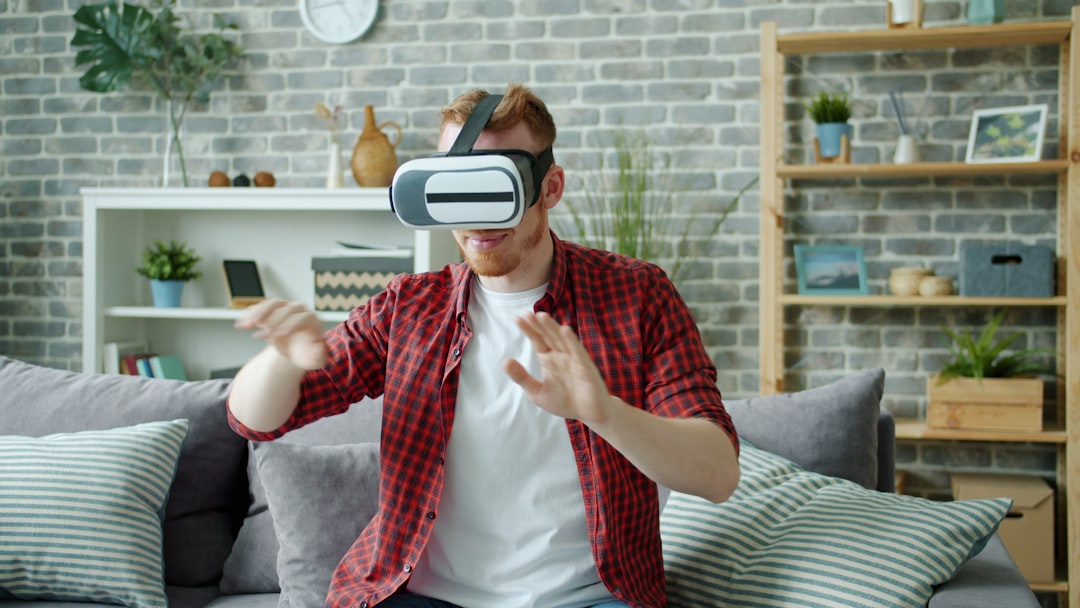
The Impact of Immersive Experiences on Social Media Engagement in 2026
Social media engagement is evolving at breakneck speed, and 2026 marks a pivotal year where immersive experiences have become the cornerstone of successful digital marketing strategies. From augmented reality filters to virtual reality shopping experiences, brands that embrace these technologies are seeing unprecedented levels of user interaction, brand loyalty, and conversion rates. This comprehensive guide explores how immersive experiences are reshaping social media engagement and provides actionable strategies for brands to leverage these powerful tools.
Understanding Immersive Experiences in Social Media
Immersive experiences in social media encompass a range of technologies that create engaging, interactive environments for users. These experiences go beyond traditional static content, offering users the ability to participate, explore, and interact with brands in meaningful ways.
Key Types of Immersive Social Media Experiences
- Augmented Reality (AR) Filters and Effects: Interactive overlays that enhance real-world environments
- Virtual Reality (VR) Content: Fully immersive 3D environments accessible through VR headsets
- 360-Degree Videos and Photos: Content that allows users to explore scenes from all angles
- Interactive Stories and Polls: Dynamic content that responds to user input
- Live Streaming with Interactive Elements: Real-time engagement through comments, reactions, and virtual gifts
- Gamified Content: Social media experiences that incorporate game-like elements
The rise of these technologies has been supported by improved smartphone capabilities, faster internet speeds, and more sophisticated social media platforms. Companies like Meta and Snapchat have invested heavily in AR development tools, making immersive content creation more accessible to brands of all sizes.
The Current State of Social Media Engagement in 2026
As we navigate through 2026, social media engagement patterns have shifted dramatically. Users now expect more than passive content consumption; they demand interactive, personalized experiences that provide value and entertainment simultaneously.
Engagement Metrics That Matter
Traditional metrics like likes and shares remain important, but new engagement indicators have emerged:
- Interaction Duration: Time spent actively engaging with immersive content
- Participation Rate: Percentage of users who interact with AR filters or VR experiences
- Social Sharing of Immersive Content: Users sharing their personalized AR experiences
- Conversion Through Immersive Touchpoints: Sales generated directly from immersive experiences
Platforms have adapted their analytics tools to track these new metrics. Instagram Business and TikTok for Business now provide detailed insights into AR filter usage and user interaction patterns, helping brands optimize their immersive content strategies.
How Immersive Experiences Drive Engagement
The psychology behind immersive experiences reveals why they’re so effective at driving engagement. These technologies tap into fundamental human desires for exploration, personalization, and social connection.
The Psychology of Immersion
Immersive experiences create what researchers call « presence » – the feeling of being transported to another environment or having that environment brought to you. This psychological state leads to:
- Increased Attention: Users focus more intensely on immersive content
- Enhanced Memory Formation: Interactive experiences are more memorable than passive content
- Emotional Connection: Immersive content creates stronger emotional bonds with brands
- Social Sharing Motivation: Users want to share unique, personalized experiences
Practical Applications Driving Results
Brands across industries have successfully implemented immersive experiences to boost engagement:
Beauty and Fashion: Virtual try-on experiences using AR technology allow customers to test products before purchasing. Sephora’s Virtual Artist app and similar tools have revolutionized how consumers interact with beauty brands on social media.
Real Estate: 360-degree property tours and VR walkthroughs have transformed property marketing, allowing potential buyers to explore homes remotely and share experiences with family members.
Entertainment: Movie studios create AR experiences that bring characters and scenes into users’ real-world environments, generating buzz and encouraging social sharing.
Platform-Specific Immersive Features
Each major social media platform has developed unique immersive capabilities, requiring brands to tailor their strategies accordingly.
Instagram and Facebook (Meta)
Meta’s investment in AR and VR technologies has positioned Instagram and Facebook as leaders in immersive social media experiences:
- Spark AR Studio: Allows brands to create custom AR filters and effects
- Instagram Shopping with AR: Virtual product try-ons integrated with e-commerce
- Facebook Horizon Workrooms: VR spaces for brand events and meetings
- 360-Degree Photo and Video Support: Immersive content sharing capabilities
TikTok’s Interactive Revolution
TikTok has revolutionized short-form immersive content with features that encourage user participation:
- Effect House: TikTok’s AR creation platform for custom effects
- Interactive Hashtag Challenges: Campaigns that incorporate AR elements
- Live Shopping Integration: Real-time product demonstrations with AR try-ons
- Branded AR Games: Gamified experiences that promote brand awareness
Snapchat’s AR Pioneer Status
As one of the first platforms to embrace AR, Snapchat continues to innovate with advanced immersive features:
- Lens Studio: Comprehensive AR creation tools for brands
- World Lenses: AR experiences that transform entire environments
- Shopping Lenses: AR experiences integrated with e-commerce platforms
- Location-Based AR: Immersive experiences tied to specific geographic locations
Creating Effective Immersive Content Strategies
Developing successful immersive content requires careful planning, understanding of your audience, and alignment with business objectives.
Strategic Planning Framework
Before diving into immersive content creation, establish a clear framework:
- Audience Analysis: Understand your target demographic’s comfort level with immersive technologies
- Platform Selection: Choose platforms that align with your audience and content goals
- Content Objectives: Define what you want to achieve (brand awareness, sales, engagement)
- Resource Assessment: Evaluate your team’s technical capabilities and budget constraints
- Success Metrics: Establish KPIs specific to immersive content performance
Content Creation Best Practices
Creating compelling immersive content requires attention to both technical and creative elements:
User Experience First: Prioritize intuitive, user-friendly interactions over complex features. Users should be able to engage with your immersive content without extensive instructions or technical knowledge.
Brand Integration: Seamlessly incorporate brand elements without overwhelming the user experience. The immersive element should enhance your brand message, not overshadow it.
Mobile Optimization: Ensure all immersive content works flawlessly on mobile devices, as the majority of social media consumption occurs on smartphones and tablets.
Loading Time Optimization: Minimize loading times for AR and VR content to prevent user abandonment. Tools like Adobe Aero can help optimize content for faster loading.
Tools and Technologies for Immersive Content Creation
The democratization of immersive content creation has made these technologies accessible to brands of all sizes. Understanding the available tools and their capabilities is crucial for implementation.
AR Creation Tools
Several platforms offer user-friendly AR creation capabilities:
- Spark AR Studio: Meta’s comprehensive AR creation platform
- Lens Studio: Snapchat’s AR development environment
- Effect House: TikTok’s AR effect creation platform
- 8th Wall: Web-based AR development platform
VR Content Creation
Virtual reality content creation requires more specialized tools:
- Unity 3D: Comprehensive game engine with VR capabilities
- Unreal Engine: High-end 3D creation platform
- A-Frame: Web-based VR development framework
- Adobe Premiere Pro: 360-degree video editing capabilities
Analytics and Measurement Tools
Measuring the success of immersive content requires specialized analytics:
- Google Analytics: Enhanced with VR and AR tracking capabilities
- Mixpanel: Event tracking for interactive content
- Platform-specific analytics: Native analytics tools from Instagram, Snapchat, and TikTok
- Hotjar: User behavior analysis for immersive web experiences
Measuring ROI and Success Metrics
Determining the return on investment for immersive social media experiences requires a comprehensive approach to measurement that goes beyond traditional metrics.
Key Performance Indicators for Immersive Content
Establish a balanced scorecard of metrics that capture both engagement and business impact:
- Engagement Metrics:
- Average session duration with immersive content
- Interaction rate (percentage of viewers who interact)
- Social sharing rate of immersive experiences
- User-generated content featuring brand AR filters
- Business Metrics:
- Conversion rate from immersive touchpoints
- Average order value for users who engaged with immersive content
- Cost per acquisition through immersive campaigns
- Brand awareness lift from immersive experiences
Attribution and Tracking Challenges
Measuring the impact of immersive experiences presents unique challenges:
Multi-touch Attribution: Users often interact with immersive content multiple times before converting. Implement attribution models that account for the full customer journey.
Cross-platform Tracking: Users may discover your brand through an AR filter on Instagram but purchase through your website. Use tools like Google Tag Manager to track cross-platform interactions.
Offline Impact: Immersive experiences can drive offline behaviors that are difficult to measure directly. Consider using unique promo codes or conducting brand awareness surveys to capture offline impact.
Future Trends and Predictions for 2026 and Beyond
As we progress through 2026, several emerging trends are shaping the future of immersive social media experiences.
Technological Advancements
AI-Powered Personalization: Artificial intelligence is enabling more sophisticated personalization of immersive experiences. AI algorithms can adapt AR filters and VR environments in real-time based on user preferences and behavior patterns.
WebXR Standardization: The development of WebXR standards is making immersive experiences more accessible across different devices and browsers, reducing the need for specialized apps.
5G Network Expansion: Faster network speeds are enabling more complex, high-quality immersive experiences on mobile devices, opening new possibilities for brands to create sophisticated VR and AR content.
Consumer Behavior Evolution
User expectations continue to evolve, driving demand for more sophisticated immersive experiences:
- Utility-Focused Experiences: Users increasingly prefer immersive content that provides practical value, such as virtual try-ons or educational AR experiences
- Social Commerce Integration: The line between entertainment and commerce continues to blur, with users expecting seamless purchasing options within immersive experiences
- Privacy-Conscious Engagement: Growing awareness of data privacy is influencing how users interact with immersive content, emphasizing the need for transparent data practices
Implementation Challenges and Solutions
While immersive experiences offer tremendous opportunities, brands must navigate several challenges to achieve success.
Common Implementation Obstacles
Technical Complexity: Creating high-quality immersive content requires technical expertise that many marketing teams lack. Solution: Partner with specialized agencies or invest in training for your team using platforms like Coursera or Udemy that offer AR/VR development courses.
Budget Constraints: High-end immersive experiences can be expensive to produce. Solution: Start with simpler AR filters using free platform tools, then scale up as you demonstrate ROI.
Device Compatibility: Ensuring immersive content works across different devices and operating systems can be challenging. Solution: Focus on web-based experiences using WebXR technologies that work across platforms.
Best Practices for Overcoming Challenges
- Start Small: Begin with simple AR filters or 360-degree content before investing in complex VR experiences
- User Testing: Conduct thorough testing across different devices and user scenarios before launching
- Iterative Improvement: Use analytics and user feedback to continuously refine your immersive experiences
- Cross-functional Collaboration: Involve technical, creative, and marketing teams in the planning process
Case Studies: Successful Immersive Social Media Campaigns
Learning from successful implementations provides valuable insights for brands planning their own immersive social media strategies.
Beauty Industry Success Stories
Beauty brands have been particularly successful with AR try-on experiences. These campaigns typically see engagement rates 2-3 times higher than traditional content, with significant improvements in conversion rates for users who interact with AR features.
Retail and E-commerce Innovations
Furniture retailers have successfully implemented AR experiences that allow customers to visualize products in their homes before purchasing. These campaigns have reduced return rates and increased customer satisfaction scores.
Entertainment and Media Campaigns
Movie studios and streaming services have created immersive experiences that transport users into fictional worlds, generating significant buzz and social sharing around new releases.
À retenir
- Immersive experiences are no longer optional: In 2026, brands that fail to incorporate AR, VR, and interactive content into their social media strategies risk falling behind competitors who are creating more engaging, memorable user experiences.
- Start with user value, not technology: The most successful immersive campaigns focus on solving user problems or providing genuine entertainment value rather than showcasing technology for its own sake.
- Platform-specific optimization is crucial: Each social media platform has unique immersive capabilities and user expectations, requiring tailored content strategies rather than one-size-fits-all approaches.
- Measurement requires new metrics: Traditional engagement metrics don’t fully capture the impact of immersive experiences, necessitating new KPIs focused on interaction duration, participation rates, and conversion through immersive touchpoints.
- Investment in tools and training pays dividends: While creating immersive content requires technical skills and specialized tools, the democratization of AR/VR creation platforms makes these technologies accessible to brands willing to invest in learning and development.